
Call us now :08045811730
 Send Inquiry
 Send Inquiry
Paint Raw Material
MOQ : 200 Liters
Paint Raw Material Specification
- Odour
- Odourless
- Raw Material
- Sodium Carbonate
- Storage
- Cool and Dry Place
- Density
- 2.54 Gram per cubic centimeter(g/cm3)
- Appearance
- Powder
- Volume
- 300 ml
- Extraction Type
- Chemical Synthesis
- Purity
- 99%
- Solubility
- Soluble In Water
- CAS No
- 497-19-8
- Gender
- Unisex
- Product Type
- Paint Raw Material
- Ingredients
- Other
- Age Group
- Adults
- Feature
- Other
- Shelf Life
- 1 Year
- Storage Instructions
- Dry Place
- Color
- White
- Application
- Used in Paint Manufacturing, Textile, Paper and Detergent Industries
- Melting Point
- 851C
- Stability
- Stable Under Normal Conditions
- Grade Standard
- Industrial Grade
- Form
- Free Flowing Powder
- Hazard Class
- Non-Hazardous
- pH Value
- <11 (1% solution)
- Molecular Weight
- 105.99 g/mol
- Fineness
- Ultra Fine
- Packaging Type
- HDPE Bag, 25 kg
Paint Raw Material Trade Information
- Minimum Order Quantity
- 200 Liters
- Supply Ability
- 500 Liters Per Day
- Delivery Time
- 7 Days
Paint Raw Material About
Paint raw Material
We are one of the leading organizations engaged in manufacturing and supplying high qualityTurpentine Oil Paint Grade.Our range of Turpentine Oil is appreciated for its antiseptic and disinfectant properties. These are widely used as raw material across the chemical industry. It is a fluid obtained by the distillation of resin obtained from live trees, mainly pines.
Features:
Industrial and other end uses:
Source of organic compounds:
Medicinal elixir:
Niche uses:
Features:
- Highly solvent
- Optimally antiseptic
- Highly disinfectant
Industrial and other end uses:
- Solvent: The two primary uses of turpentine in industry are as a solvent and as a source of materials for organic synthesis. As a solvent, turpentine is used for thinning oil-based paints, for producing varnishes, and as a raw material for the chemical industry
- Turpentine has long been used as a solvent, mixed with beeswax or with carnauba wax, to make fine furniture wax for use as a protective coating over oiled wood finishes (e.g., lemon oil)
Source of organic compounds:
- Turpentine is also used as a source of raw materials in the synthesis of fragrant chemical compounds
- Commercially used camphor, linalool, alpha-terpineol, are all usually produced from alpha-pinene and beta-pinene, which are two of the chief chemical components of turpentine. These pinenes are separated and purified by distillation
- The mixture of diterpenes and triterpenes that is left as residue after turpentine distillation is sold as rosin
Medicinal elixir:
- Turpentine and petroleum distillates such as coal oil and kerosene have been used medicinally since ancient times, as topical and sometimes internal home remedies
- Topically it has been used for abrasions and wounds, as a treatment for lice, and when mixed with animal fat it has been used as a chest rub, or inhaler for nasal and throat ailments
- Many modern chest rubs, such as the Vicks variety, still contain turpentine in their formulations
- Taken internally it was used as treatment for intestinal parasites because of its alleged antiseptic and diuretic properties, and a general cure-all as in Hamlins Wizard Oil. Sugar, molasses or honey were sometimes used to mask the taste. Internal administration of these toxic products is no longer common today
- Turpentine was a common medicine among seamen during the Age of Discovery, and one of several products carried aboard Ferdinand Magellans fleet in his first circumnavigation of the globe
Niche uses:
- Turpentine is also added to many cleaning and sanitary products due to its antiseptic properties and its "clean scent". In early 19th-century America, turpentine was sometimes burned in lamps as a cheap alternative to oil
- It was most commonly used for outdoor lighting, due to its strong odor. A blend of ethanol and turpentine added as an illuminant called burning fluid was also important for several decades.
- In 1946, Soichiro Honda used turpentine as a fuel for the first Honda motorcycles as gasoline was almost totally unavailable following World War II
- Turpentine was a common additive in cheap until the 20th century and gave it its characteristic juniper berry flavor without the need for pricier distillations with aromatic spices and berries
Request
Callback
Callback
Ultra Fine Quality and High Purity
The products ultra-fine particle size ensures seamless blending in diverse industrial formulations. Thanks to a purity level of 99%, the material offers uncompromised performance in paints, textiles, paper, and detergents. Its high solubility in water and stable nature under regular conditions further enhance its suitability for demanding applications across multiple sectors.
Safe and Eco-Friendly Industrial Solution
Classified as non-hazardous and odourless, this raw material is safe to handle by adults in industrial settings. Its eco-friendly composition, combined with HDPE packaging, supports sustainable practices and simplifies compliance with environmental and safety regulations.
Versatile Applications Across Industries
Widely valued in paint manufacturing, this product also sees extensive use in the textile, paper, and detergent industries. Its chemical synthesis and high stability ensure dependable results, making it a preferred choice for manufacturers, suppliers, and traders throughout India.
FAQs of Paint Raw Material:
Q: How should this raw material be stored to maintain its quality?
A: For optimal shelf life and stability, this raw material should be stored in a cool, dry place, away from moisture and direct sunlight. Keeping it sealed in its original 25 kg HDPE bag prevents contamination and ensures consistent performance throughout its one-year shelf life.Q: What are the main benefits of using this product in industrial applications?
A: This raw materials ultra-fine structure, high purity (99%), and water solubility enable precise formulations and efficient processing. Being non-hazardous and eco-friendly, it is safe for operators and environmentally conscious companies, offering dependable results across paint, textile, paper, and detergent manufacturing.Q: Where is this raw material commonly used?
A: It finds widespread use in paint manufacturing, textile processing, paper production, and the formulation of detergents. Its versatility stems from its chemical stability, high purity, and compatibility with other industrial ingredients.Q: How is this product processed and packaged for industrial use?
A: This industrial-grade raw material is produced through chemical synthesis, resulting in a free-flowing, ultra-fine powder. It is carefully packaged in 25 kg HDPE bags to ensure protection from humidity and external contaminants during storage and transport.Q: What is the recommended method for handling this powder during use?
A: It is advisable to use clean, dry equipment and to avoid contact with moisture when handling the powder. Operators should follow standard industrial hygiene practices for handling fine powders, as the product is odourless and non-hazardous, ensuring safe working conditions.Q: When does the product begin to lose effectiveness, and how can I ensure maximum shelf life?
A: The shelf life of this raw material is one year when stored correctly. To ensure maximum effectiveness, use the material before the expiry date and keep it in a sealed HDPE bag within a cool, dry area.Q: What are the key features that distinguish this product from other paint raw materials?
A: Its ultra-fine, free-flowing form, 99% purity, chemical stability, non-hazardous classification, and versatile applications in multiple industries make it stand out among industrial-grade raw materials. Additionally, its eco-friendly properties align with modern sustainability standards.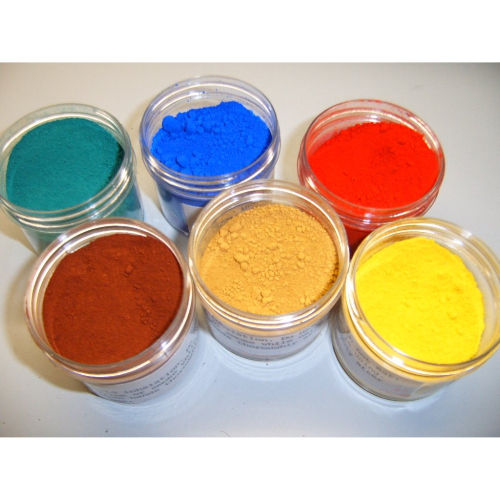
Tell us about your requirement

Price:
Quantity
Select Unit
- 50
- 100
- 200
- 250
- 500
- 1000+
Additional detail
Mobile number
Email

More Products in Paint Raw Material Category
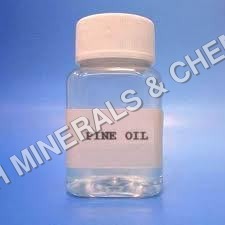
Pine Oil Paint Grade
Price 114 INR / Liter
Minimum Order Quantity : 200 Liters
Storage Instructions : Store in a cool, dry place away from direct sunlight
Product Type : Other, Paint Grade Pine Oil
Purity : 99%
Shelf Life : 2 Years
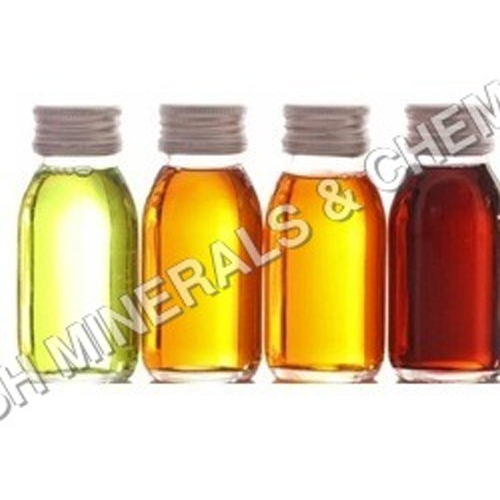
Anthamber Tops (MTO Substitute)
Price 68 INR / Liter
Minimum Order Quantity : 200 Liters
Storage Instructions : Store in a tightly sealed container at room temperature away from sunlight
Product Type : Substitute Fragrance Oil, Other
Purity : 99%
Shelf Life : 2 years
Alphox 100
Price 150 INR / Liter
Minimum Order Quantity : 200 Liters
Storage Instructions : Keep container tightly closed and stored in a dry environment
Product Type : Chemical, Other
Purity : 99%
Shelf Life : 2 years
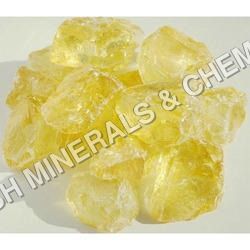
Gum Rosin - Paint Grade
Price 75 INR / Liter
Minimum Order Quantity : 200 Liters
Storage Instructions : Keep away from heat and direct sunlight
Product Type : Industrial chemical Paint Grade, Other
Purity : 90%
Shelf Life : 2 years

We deal only in bulk quantity orders.

 Send Inquiry

Our Products
- Terpene Chemicals
- White Phenyl Raw Material
- Green Phenyle Raw Material
- Polymer and Surfactants
- Essential Oils
- Turpentine Oil
- Paint Raw Material
- Agarbatti/Dhoop Raw Material
- Perfumery Chemicals
- Pharma Raw Materials
- Cleaner Raw Materials
- Oil Base Fragrances
- Agarbatti Fragrances
- Air Freshner Fragrance
- Water Soluble Fragrances
- Detergent Fragrances
- Hand Wash Fragrances
- Black Phenyl Raw Material
- Perfumery Tops & Raw Material
- Gum Rosin
- Naphthalene Powder
- Pine Oil Grades
- Pine Oil


Office No 205, 2nd Floor, V. N. Purav Marg, Chembur East,Mumbai - 400071, Maharashtra, India

Ms Vaishnavi Prabhu
(Partner)
Mobile :08045811730
 Send Inquiry
 Send SMS
Developed and Managed by Infocom Network Private Limited.


