
Call us now :08045811730
 Send Inquiry
 Send Inquiry
Gum Rosin WW Grade
Price 73 INR/ Liter
MOQ : 200 Liters
Gum Rosin WW Grade Specification
- Viscosity
- 9-15 mPas (at 25C)
- Molecular Formula
- C20H30O2
- Particle Size
- 10-30 Mesh
- EINECS No
- 232-475-7
- Moisture (%)
- 0.20
- Density
- 1.07 Gram per cubic centimeter(g/cm3)
- Ash %
- 0.02
- Loss on drying %
- 0.20
- Shelf Life
- 2 Years
- Mesh
- 10-30
- CAS No
- 8050-09-7
- Other Names
- Colophony
- Type
- Other
- Appearance
- Pale Yellow Transparent Solid
- Purity(%)
- 98
- Grade
- WW Grade
- Softening Point (R&B)
- 76C
- Solubility
- Soluble in ethanol, ether, benzenes; insoluble in water
- Storage Conditions
- Cool, dry place; protected from moisture and direct sunlight
- Packing
- Bags/Drums, 25kg net each
- Odor
- Mild, Characteristic
- Acid Value
- 165-175 mg KOH/g
- Melting Point
- 75-80C
- Applications
- Adhesives, rubber, paper, paint, ink, and soap industries
- Color (Gardner)
- WW (Water White)
Gum Rosin WW Grade About
Description
We provide you with the best quality Gum Rosin WW Grade at the most competitive market prices. Our Gum Rosin WW Grade undergoes stringent testing measures before they are delivered to the market. We offer Gum Rosin WW Grade keeping in view the industry standards. Rosin is an ingredient in printing inks, varnishes, adhesives (glues), soap, paper sizing, soda, soldering fluxes, and sealing wax. Rosin can be used as a glazing agent in medicines and chewing gum. It is denoted by E number E915. A related glycerol ester (E445) can be used as an emulsifier in soft drinks. In pharmaceuticals, rosin forms an ingredient in several plasters and ointments.In industry, rosin is the precursor to the flux used in soldering. The lead-tin solder commonly used in electronics has about 1% rosin as a flux core helping the molten metal flow and making a better connection by reducing the refractory solid oxide layer formed at the surface back to metal. Its frequently seen as the burnt or clear residue around new soldering. A mixture of pitch and rosin is used to make a surface against which glass is polished when making optical components such as lenses. Rosin is added in small quantities to traditional linseed oil/sand gap fillers, used in building work. When mixed with waxes and oils, rosin is the main ingredient of mystic smoke, a gum which, when rubbed and suddenly stretched, appears to produce puffs of smoke from the finger tips.
Rosin is extensively used for its friction-increasing capacity in several fields:
- Bowed string players rub cakes or blocks of rosin on their bow hair so it can grip the strings and make them speak. Extra substances such as beeswax, gold, silver, tin, or meteoric iron are sometimes added to the rosin to modify its stiction/friction properties, and (disputably) the tone it produces.[citation needed] Powdered rosin is often applied to new hair, for example with a felt pad or cloth, to reduce the time taken in getting sufficient rosin onto the hair.
- Violin rosin can be applied to bridges in other musical instruments, such as the Banjo and Banjolele, in order to stop the bridge moving during vigorous playing.
- Ballet and flamenco dancers sometimes rub their shoes in powdered rosin to reduce slippage before going on stage - it was at one time used in the same way in fencing and is still used as such by boxers.
- Gymnasts use it to improve grip.
- Applied onto the starting line of drag racing courses used to improve traction.
- Bull riders rub rosin on their rope and glove for additional grip.
- Baseball pitchers and ten-pin bowlers may have a small bag of powdered rosin nearby, to use on their throwing hand, for better control of the ball.
Specification
|
Usage/Application |
Paint |
|
Packaging Size |
25kg |
|
Color |
Yellow |
|
Melting Point |
70-80 |
|
Ash Content |
0.005% |
|
Brand |
Manish Minerals |
|
Acid Value |
165-175 |
Superior Quality and Purity
Gum Rosin WW Grade stands out with a minimum purity of 98% and a pale yellow, transparent form. Its noticeably low ash and moisture content ensure exceptional performance across all applications. This grade is particularly favored for premium products requiring a clean, consistent base material.
Versatile Industrial Applications
Valued for its high softening point, mild odor, and robust adhesive properties, Gum Rosin WW Grade is a preferred choice in manufacturing adhesives, rubber, paints, inks, soaps, and paper. Its solubility in common organic solvents enhances its functionality, making it compatible with a wide variety of processing formulations.
Safe Storage and Long Shelf Life
For optimal performance, Gum Rosin WW Grade should be stored in a cool, dry environment, away from moisture and direct sunlight. Thanks to its stable chemical structure, it maintains quality for up to two years when properly stored, offering reliability and cost-efficiency for manufacturers.
FAQs of Gum Rosin WW Grade:
Q: How is Gum Rosin WW Grade typically used in manufacturing processes?
A: Gum Rosin WW Grade is utilized as a key ingredient in adhesives, rubber, paper sizing, paints, inks, and soaps. Its excellent solubility in organic solvents and its ability to enhance tackiness make it valuable in formulating products like hot-melt adhesives, printing inks, and rubber compounds.Q: What are the main benefits of using Gum Rosin WW Grade over other grades?
A: The WW (Water White) Grade offers superior purity, a transparent pale yellow appearance, and very low impurity levels. It provides better consistency in color and performance, which is essential for producing high-quality adhesives, paints, and other sensitive industrial products.Q: Where should Gum Rosin WW Grade be stored to maintain its quality?
A: For best results, store Gum Rosin WW Grade in a cool, dry place, protected from moisture and direct sunlight. Proper storage ensures the product retains its physical and chemical properties for up to two years.Q: What is the typical packaging used for Gum Rosin WW Grade, and how much does each package weigh?
A: Gum Rosin WW Grade is packed in sealed bags or drums, each containing a net weight of 25kg. This packaging method safeguards the resin from contamination and moisture during transit and storage.Q: What process is used to produce Gum Rosin WW Grade?
A: Gum Rosin WW Grade is produced through the distillation of resin tapped from pine trees. The process involves carefully removing the volatile components, resulting in the high-purity, transparent solid known as WW Grade Colophony.Q: In which industries is Gum Rosin WW Grade most beneficially applied?
A: Industries such as adhesives, rubber manufacturing, paint, ink, soap, and paper benefit most from Gum Rosin WW Grade. Its strong adhesion, solubility, and compatibility with various chemical systems make it particularly valuable in these sectors.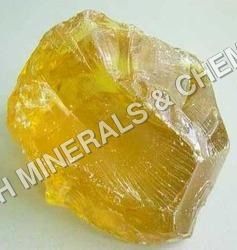
Tell us about your requirement

Price:
Quantity
Select Unit
- 50
- 100
- 200
- 250
- 500
- 1000+
Additional detail
Mobile number
Email

More Products in Gum Rosin Category
Gum Rosin
Price 75 INR / Liter
Minimum Order Quantity : 200 Liters
Type : Other
EINECS No : 2324757
Moisture (%) : 0.5
Grade : Industrial Grade
Gum Rosin WG Grade
Minimum Order Quantity : 200 Liters
Type : Other
EINECS No : 2324757
Moisture (%) : 0.2%
Grade : WG
Natural Gum Rosin
Price 73 INR / Liter
Minimum Order Quantity : 200 Liters
Type : Other
EINECS No : 2324757
Moisture (%) : 0.2%
Grade : Industrial Grade

We deal only in bulk quantity orders.

 Send Inquiry

Our Products
- Terpene Chemicals
- White Phenyl Raw Material
- Green Phenyle Raw Material
- Polymer and Surfactants
- Essential Oils
- Turpentine Oil
- Paint Raw Material
- Agarbatti/Dhoop Raw Material
- Perfumery Chemicals
- Pharma Raw Materials
- Cleaner Raw Materials
- Oil Base Fragrances
- Agarbatti Fragrances
- Air Freshner Fragrance
- Water Soluble Fragrances
- Detergent Fragrances
- Hand Wash Fragrances
- Black Phenyl Raw Material
- Perfumery Tops & Raw Material
- Gum Rosin
- Naphthalene Powder
- Pine Oil Grades
- Pine Oil


Office No 205, 2nd Floor, V. N. Purav Marg, Chembur East,Mumbai - 400071, Maharashtra, India

Ms Vaishnavi Prabhu
(Partner)
Mobile :08045811730
 Send Inquiry
 Send SMS
Developed and Managed by Infocom Network Private Limited.


