
Call us now :08045811730
 Send Inquiry
 Send Inquiry
Natural Gum Rosin
Price 73 INR/ Liter
MOQ : 200 Liters
Natural Gum Rosin Specification
- Molecular Formula
- C20H30O2
- Moisture (%)
- 0.2%
- EINECS No
- 232-475-7
- Particle Size
- Flakes/Lumps
- Shelf Life
- 2 Years
- Loss on drying %
- 0.2%
- Density
- 1.07 Gram per cubic centimeter(g/cm3)
- Ash %
- 0.02
- CAS No
- 8050-09-7
- Other Names
- Colophony
- Type
- Other
- Appearance
- Transparent glassy solid, pale yellow to amber
- Purity(%)
- 90%
- Grade
- Industrial Grade
- Softening Point
- 75 - 80C
- Odor
- Characteristic resinous
- Application
- Adhesives, inks, rubber, paints, paper, soap
- Melting Point
- 70 - 80C
- Flash Point
- >200C
- Solubility
- Soluble in ethanol, ether, benzene
- Color Index
- Pale to deep yellow
- Storage Conditions
- Cool, dry, ventilated area
- Packaging
- 25 kg bags or customised
- Acid Value
- 170 - 180 mg KOH/g
Natural Gum Rosin About
Specification
|
Form |
Crystal |
|
Usage/Application |
Industrial |
|
Packaging Size |
25kg |
|
Color |
Yellow |
|
Melting Point |
70-80 |
|
Ash Content |
0.005% |
|
Country of Origin |
Made in India |
|
Acid Value |
165-175 |
Superior Quality and Consistency
Our Natural Gum Rosin is crafted with high purity levels (90%) and minimal impurities, including ash (0.02%) and moisture (0.2%). Through rigorous quality checks, we ensure consistent physical and chemical properties. This reliability makes it an excellent choice for demanding industrial and manufacturing applications.
Versatile Applications Across Industries
With solubility in multiple solvents and a robust resinous nature, this product is ideal in the production of adhesives, printing inks, rubbers, paints, paper, and soaps. Its high softening and melting points enhance product durability, while the characteristic color and appearance improve formulation aesthetics.
Safe Handling and Storage Conditions
Packaged in standard 25 kg bags or tailored to customer requirements, Natural Gum Rosin should be stored in cool, dry, and well-ventilated areas. With a high flash point exceeding 200C and a shelf life of up to two years, it offers both safety and longevity for manufacturers seeking stable raw materials.
FAQs of Natural Gum Rosin:
Q: How should Natural Gum Rosin be stored to preserve its quality?
A: Store Natural Gum Rosin in a cool, dry, and well-ventilated location, away from direct sunlight and heat sources, to maintain its quality and extend its shelf life up to two years.Q: What benefits does Natural Gum Rosin offer in adhesive and ink formulations?
A: Natural Gum Rosin provides excellent tackiness, binding properties, and film formation. Its purity and controlled softening point contribute to strong adhesion and improved stability in adhesives and inks.Q: Where is this Natural Gum Rosin commonly used?
A: This resin is widely utilized in the manufacturing of adhesives, printing inks, rubber products, paints, paper coatings, and soaps, owing to its versatile solubility and functional properties.Q: What is the typical process for using Gum Rosin in industrial applications?
A: Gum Rosin is usually melted and blended into formulations. Its flakes or lumps dissolve easily in organic solvents, making it simple to incorporate into mixtures for adhesives, inks, and rubber goods.Q: When does Gum Rosin reach its softening point and why is this important?
A: Gum Rosin softens at 75-80C, a range that is critical for process control, ensuring optimal blending and stability during manufacturing operations.Q: How does its purity and low moisture content benefit manufacturers?
A: A high purity rate (90%) and low moisture content (0.2%) help prevent unwanted reactions and inconsistencies, ensuring better performance and longer shelf stability in final products.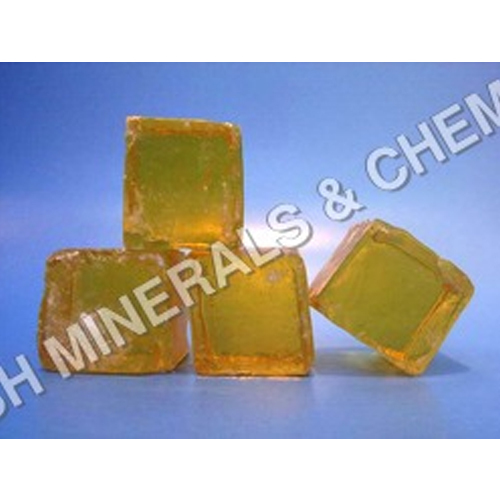
Tell us about your requirement

Price:
Quantity
Select Unit
- 50
- 100
- 200
- 250
- 500
- 1000+
Additional detail
Mobile number
Email

More Products in Gum Rosin Category
Gum Rosin
Price 75 INR / Liter
Minimum Order Quantity : 200 Liters
Moisture (%) : 0.5
CAS No : 8050097
EINECS No : 2324757
Particle Size : Typically 2040 Mesh
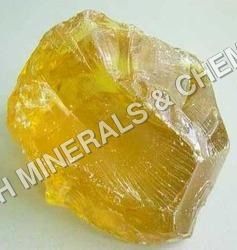
Gum Rosin WW Grade
Price 73 INR / Liter
Minimum Order Quantity : 200 Liters
Moisture (%) : 0.20
CAS No : 8050097
EINECS No : 2324757
Particle Size : 1030 Mesh
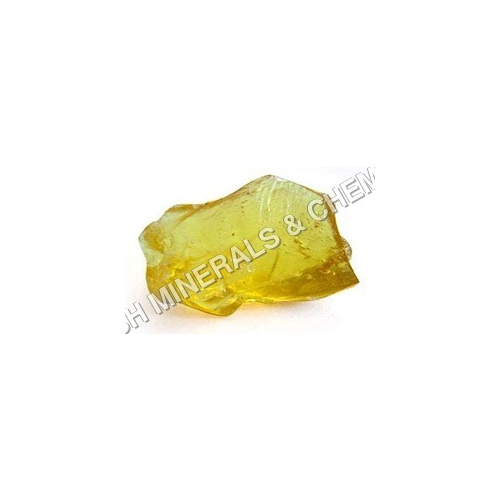
Gum Rosin WG Grade
Minimum Order Quantity : 200 Liters
Moisture (%) : 0.2%
CAS No : 8050097
EINECS No : 2324757
Particle Size : 1060 mm

We deal only in bulk quantity orders.

 Send Inquiry

Our Products
- Terpene Chemicals
- White Phenyl Raw Material
- Green Phenyle Raw Material
- Polymer and Surfactants
- Essential Oils
- Turpentine Oil
- Paint Raw Material
- Agarbatti/Dhoop Raw Material
- Perfumery Chemicals
- Pharma Raw Materials
- Cleaner Raw Materials
- Oil Base Fragrances
- Agarbatti Fragrances
- Air Freshner Fragrance
- Water Soluble Fragrances
- Detergent Fragrances
- Hand Wash Fragrances
- Black Phenyl Raw Material
- Perfumery Tops & Raw Material
- Gum Rosin
- Naphthalene Powder
- Pine Oil Grades
- Pine Oil


Office No 205, 2nd Floor, V. N. Purav Marg, Chembur East,Mumbai - 400071, Maharashtra, India

Ms Vaishnavi Prabhu
(Partner)
Mobile :08045811730
 Send Inquiry
 Send SMS
Developed and Managed by Infocom Network Private Limited.


